Traditions as a Resource for the Future: Uniting People Through Crafts and Cultural Heritage
- ATO YANNEY JNR

- Sep 27, 2025
- 2 min read

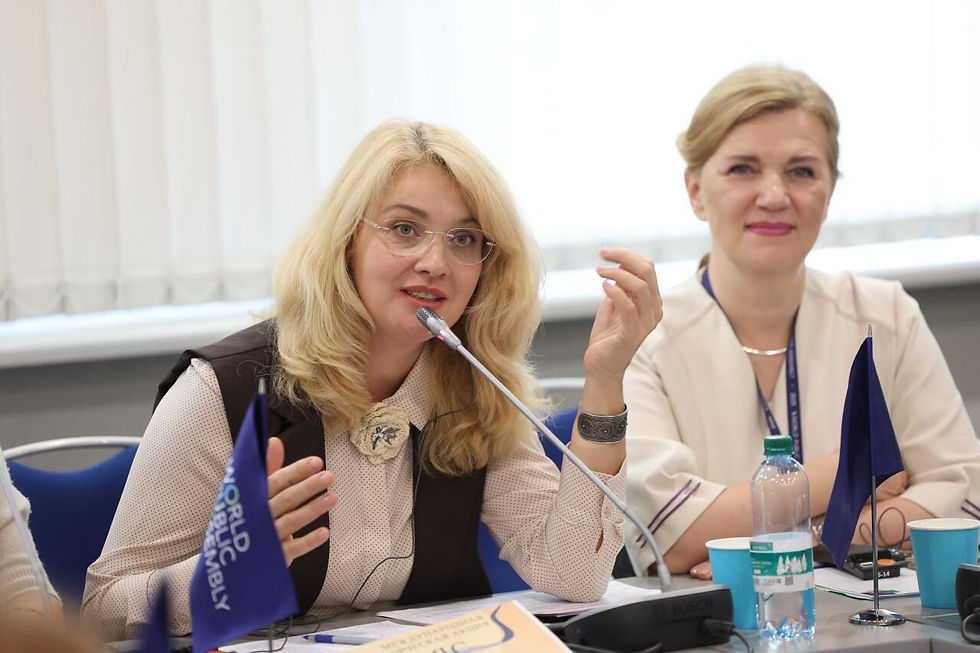
The First World Public Assembly's International Round Table, "Traditions as a Resource for the Future," brought together craftsmen, cultural figures, and public organizations from around the world to discuss the role of traditions and crafts in shaping the future. Held in a vibrant setting, the event highlighted the importance of cultural heritage in uniting people and fostering sustainable development.

Key Takeaways:
Carolina Gaspar, Director of the Mexico-Russia Cultural Center, emphasized that culture is not just a relic of the past, but a living, strategic, and deeply human resource that opens doors to the future.
Kazakh poet and public figure Izden Anar noted that traditions today are innovations yesterday, and innovations today will become traditions tomorrow, highlighting the dynamic nature of cultural heritage.
Experts also in their submissions stressed that cultural diversity is essential for strong relationships between nations, making our future more prosperous and fabulous. Kevin Murray, Vice President of the World Union of Crafts, likened culture to a garden that requires diversity, protection, and care.
It was also established that the Power of Crafts and Traditions Crafts and traditions are not just forms of memory but also sources of sustainable development and community unification.
Asif Shaikh, an Indian master embroiderer, emphasized that crafts express our identity and attitude towards the world, and losing these arts would mean losing our culture.
Chipata Mabuto from Zambia highlighted the importance of cultural heritage in improving the lives of vulnerable groups and creating a sustainable world.
The Peace Belt project, a joint initiative by the World Peoples Assembly and the Center for Social Technologies "Dealing with Meaning," was showcased at the round table.
This project brings together craftsmen from over 119 localities worldwide to create a unique "social lace" symbolizing unity.
Conclusion:
The round table concluded with a resolution emphasizing the importance of crafts and traditions in shaping the future. The participants agreed to strengthen international cultural alliances, develop educational formats for transferring craft knowledge, and support initiatives like the Peace Belt project. As the final document states, "Traditions are not the past, but the path to the future. We are ready to follow this path together." [Crafts and traditions can become a living source of development, uniting people and forming values of the future.
WRITER: ATO YANNEY JNR


Comments