The Impact of Social Media on Journalism Today
- JAMES OFORI OTOO

- Aug 11, 2025
- 4 min read
Updated: Sep 25, 2025
In the digital age, social media has transformed how we consume news. Gone are the days when we relied solely on newspapers or evening broadcasts. Today, information is at our fingertips, available 24/7. This shift has not only changed how news is delivered but also how it is created and consumed.
Social media platforms like Twitter, Facebook, and Instagram have become essential tools for journalists. They allow for real-time reporting and instant audience engagement. However, this new landscape also presents challenges. The line between credible journalism and misinformation can often blur.
In this post, we will explore the profound impact of social media on journalism today. We will look at both the positive and negative aspects, providing examples and insights into how this evolution shapes our understanding of news.
The Rise of Citizen Journalism
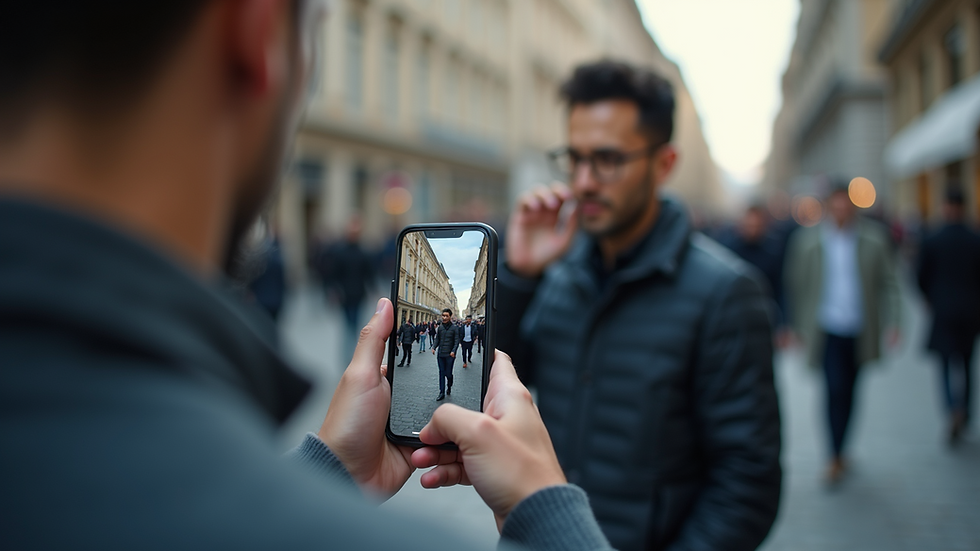
One of the most significant changes brought about by social media is the rise of citizen journalism. Anyone with a smartphone can report news. This democratization of information has its benefits.
Immediate Reporting: During events like protests or natural disasters, ordinary people can share updates in real-time. For instance, during the Arab Spring, social media played a crucial role in spreading information and mobilizing support.
Diverse Perspectives: Citizen journalists often provide viewpoints that mainstream media might overlook. This can lead to a richer, more nuanced understanding of events.
However, there are downsides. Not all citizen journalism is accurate. Misinformation can spread just as quickly as facts.
The Speed of News
Social media has accelerated the news cycle. Stories that once took hours or days to develop can now be reported in minutes.
Breaking News: Journalists use platforms like Twitter to share breaking news instantly. This immediacy can be beneficial, as it keeps the public informed.
Pressure to Publish: However, the rush to be first can lead to mistakes. In the race to report, journalists may not verify facts thoroughly. This can result in the spread of false information.
For example, during the Boston Marathon bombing in 2013, many news outlets reported incorrect information due to the pressure to be first. This incident highlights the need for careful reporting, even in a fast-paced environment.
Engagement and Interaction
Social media allows for direct interaction between journalists and their audience. This engagement can enhance the news experience.
Feedback Loop: Journalists can receive immediate feedback on their stories. This interaction can help them understand what their audience cares about.
Community Building: Social media helps build communities around specific topics. For instance, journalists covering environmental issues can connect with activists and experts, enriching their reporting.
However, this interaction can also lead to challenges. Journalists may face harassment or backlash for their reporting.
The Challenge of Misinformation
Misinformation is one of the most pressing issues in today's media landscape. Social media can amplify false information, making it difficult for audiences to discern what is true.
Viral Misinformation: False stories can go viral in minutes. For example, during the COVID-19 pandemic, numerous false claims about the virus spread rapidly on social media.
Fact-Checking: Many news organizations have started employing fact-checkers to combat misinformation. They aim to verify claims before they spread further.
Despite these efforts, the challenge remains significant. Audiences must be educated on how to identify credible sources and verify information themselves.
The Role of Algorithms
Social media platforms use algorithms to determine what content users see. This can have a profound impact on journalism.
Personalized News Feeds: Algorithms curate news based on user preferences. While this can enhance user experience, it can also create echo chambers. Users may only see news that aligns with their beliefs.
Impact on Diversity: This lack of diversity in news consumption can lead to a skewed understanding of events. It is essential for audiences to seek out multiple sources to get a well-rounded view.
The Future of Journalism
As social media continues to evolve, so will journalism. The future may hold both challenges and opportunities.
Innovative Formats: Journalists are experimenting with new formats, such as live video and interactive storytelling. These innovations can engage audiences in new ways.
Sustainability: The financial model for journalism is changing. Many news organizations are exploring subscription models and crowdfunding to support their work.
The future of journalism will likely depend on its ability to adapt to these changes while maintaining credibility and trust.
Conclusion: Navigating the New Landscape
The impact of social media on journalism is profound and multifaceted. While it offers new opportunities for engagement and immediacy, it also presents significant challenges, particularly regarding misinformation and the pressure to publish quickly.
As consumers of news, it is crucial to remain vigilant. We must seek out credible sources, verify information, and engage thoughtfully with the news we consume.
In this rapidly changing landscape, the role of journalism remains vital. It is up to both journalists and audiences to navigate this new world together, ensuring that the truth prevails in the age of social media.


Comments